
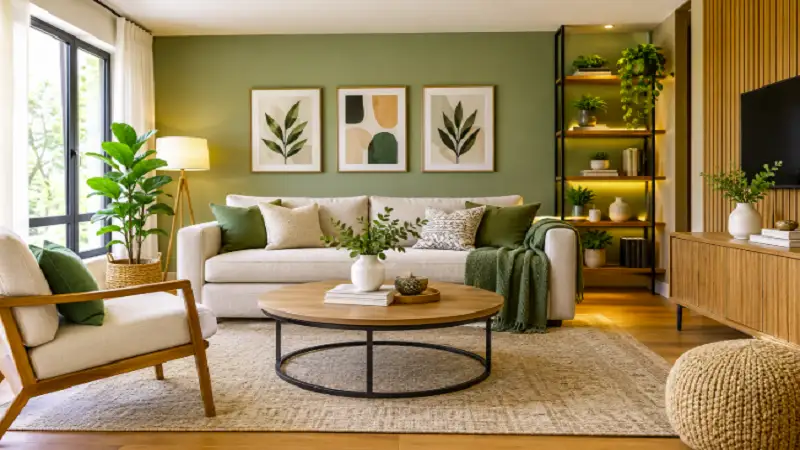
Creating a beautiful home involves more than choosing attractive furniture or painting the walls in fashionable colors. A well-designed space should reflect personal preferences, support everyday activities, and provide comfort without sacrificing functionality. From arranging furniture in a small apartment to selecting lighting for a spacious living room, thoughtful design choices can make a noticeable difference in how a home looks and feels.
Decorilla is a useful topic to explore when learning about interior design concepts, home decoration, and the process of transforming ordinary rooms into welcoming environments. Understanding the principles behind successful interiors helps homeowners make informed decisions about colors, materials, furniture, and decorative accessories.
Whether someone is furnishing a new property or refreshing an existing room, a clear design plan can prevent unnecessary purchases and create a more consistent appearance. This guide explains essential interior design principles, practical decorating methods, and ways to develop a comfortable, attractive living space.
Understanding the Basics of Interior Design
Interior design is the process of planning and arranging indoor spaces to improve their appearance, usability, and comfort. It considers the relationship between furniture, lighting, color, materials, architecture, and the people who use the space.
A successful interior does not necessarily require expensive furniture or elaborate decorations. Even modest rooms can feel attractive when their elements work together.
The Importance of Functionality
Every room should serve its intended purpose. A living room might need comfortable seating and space for conversation, while a bedroom should support rest and relaxation. A home office requires adequate lighting, a practical desk, and enough room to work comfortably.
Before buying furniture, consider how the room will be used throughout the day. Think about movement between doors, windows, seating areas, and storage spaces.
For example, a family living room may benefit from durable upholstery, easy-to-clean surfaces, and flexible seating. A quiet reading corner may need only a comfortable chair, a small table, and a suitable lamp.
Balancing Beauty and Practicality
Decorative choices should complement everyday needs. A delicate coffee table might look elegant but may not suit a busy household with young children. Similarly, a large decorative sofa could overwhelm a narrow room.
The best design decisions balance visual appeal with durability, maintenance, available space, and personal comfort.
Choosing a Consistent Interior Design Style
A design style provides direction for selecting furniture, colors, textures, and accessories. Although mixing styles can produce interesting results, a consistent visual theme makes a room feel more organized.
Modern Interior Design
Modern interiors often feature clean lines, functional furniture, uncluttered surfaces, and a restrained approach to decoration. Materials such as glass, metal, wood, and concrete can contribute to this appearance.
Neutral colors are common, although carefully selected accent colors can introduce personality.
To create a modern room, choose furniture with simple shapes, limit unnecessary accessories, and make sure each item has a clear purpose.
Minimalist Design
Minimalism focuses on simplicity, openness, and intentional choices. Instead of filling every corner, the approach emphasizes a smaller number of useful and meaningful objects.
Practical minimalist ideas include:
-
Keeping frequently used surfaces clear.
-
Choosing furniture with built-in storage.
-
Using a limited color palette.
-
Displaying a few carefully selected decorative pieces.
-
Removing items that no longer serve a purpose.
Minimalism does not mean that a home must feel empty. Warm lighting, natural materials, soft fabrics, and personal objects can make a simple room inviting.
Traditional and Contemporary Styles
Traditional interiors may include detailed woodwork, classic furniture shapes, patterned fabrics, and decorative accessories. Contemporary interiors reflect changing preferences and may combine streamlined furniture with expressive artwork, curved forms, and mixed materials.
Homeowners can also combine elements from different styles. For example, a contemporary sofa may work well with a traditional wooden cabinet if the colors, proportions, and finishes complement one another.
Selecting Colors for Different Rooms
Color influences the atmosphere of an interior. It can make a room feel calm, energetic, warm, cool, spacious, or intimate. The best palette depends on natural light, room size, existing materials, and the desired mood.
Start With a Base Color
Choose a primary color for large surfaces, such as walls or major furniture pieces. Neutral shades like cream, warm white, beige, and soft gray can provide a flexible foundation.
A base color does not have to be neutral. Muted green, pale blue, or gentle earthy tones can also work well when they suit the room and its lighting.
Introduce Accent Colors
Accent colors add contrast and personality without requiring a complete redesign. Cushions, curtains, artwork, rugs, and small decorative objects are practical ways to introduce additional shades.
For example, a room with cream walls and natural wood furniture could include olive-green cushions and a terracotta vase. These details create visual interest while maintaining a cohesive appearance.
Consider Natural and Artificial Light
Colors can appear different depending on the direction and intensity of light. A paint shade that looks warm in a bright showroom may appear cooler in a room with limited daylight.
Before committing to a color, test a small sample on the wall. Observe it in the morning, afternoon, and evening under the lighting conditions normally used in the room.
This simple step can help prevent disappointing results and unnecessary repainting.
Planning Furniture and Room Layouts
Furniture arrangement affects movement, comfort, and the visual balance of a room. Even attractive furniture can make a space uncomfortable when pieces are too large or placed without considering circulation.
Measure Before Buying
Measure the room, including wall lengths, ceiling height, doorways, windows, and other permanent features. Record the dimensions of existing furniture and compare them with potential purchases.
Leave enough space for doors and drawers to open fully. Make sure people can walk comfortably between furniture pieces without repeatedly moving objects out of the way.
A simple floor plan drawn on paper can help you test different arrangements before moving heavy items.
Create Functional Zones
Large or open-plan rooms often benefit from clearly defined activity areas. A single space might contain a seating area, dining table, and work corner.
Use furniture placement, rugs, lighting, or shelving to distinguish these zones without blocking movement.
In a small apartment, a compact desk behind a sofa may create a practical workspace. A rug beneath a dining table can visually separate the eating area from the living room.
Choose the Right Furniture Scale
Furniture should be proportionate to the room. Oversized pieces can make a small space feel crowded, while furniture that is too small may leave a large room feeling disconnected.
Consider both height and width. A low-profile sofa can help maintain an open view in a compact living room, whereas a larger room may accommodate substantial seating and a bigger coffee table.
Lighting That Improves Comfort and Appearance
Lighting is an essential part of interior design because it affects visibility, atmosphere, and the way materials and colors appear.
A practical lighting plan combines different types of illumination rather than depending on one ceiling fixture.
Ambient Lighting
Ambient lighting provides general illumination throughout a room. Ceiling lights, recessed fixtures, and some wall lights can serve this purpose.
The goal is to create comfortable overall brightness without producing harsh glare.
Task Lighting
Task lighting supports specific activities, including reading, cooking, studying, and working.
Examples include desk lamps, under-cabinet kitchen lights, and adjustable reading lamps beside a chair. Position these lights to illuminate the working area while minimizing shadows.
Accent Lighting
Accent lighting highlights particular features, such as artwork, architectural details, bookshelves, or textured walls.
A layered lighting arrangement can make a room more adaptable. Brighter task lighting may be useful during work, while softer lamps can create a relaxed atmosphere in the evening.
Whenever possible, use natural daylight effectively by avoiding unnecessary obstructions near windows and choosing window coverings that suit privacy and light-control needs.
Using Textures, Fabrics, and Materials
Texture adds depth to a room, especially when the color palette is relatively simple. Combining different materials creates visual contrast and can make an interior feel more inviting.
For instance, smooth wooden furniture can be paired with a woven rug, linen curtains, and soft cushions. A metal lamp or glass accessory can introduce another surface without overwhelming the arrangement.
Select Fabrics for Everyday Use
Fabric choices should reflect the needs of the household. Durable, washable materials may be suitable for family living areas, while softer decorative fabrics can work well in rooms with less frequent use.
Consider maintenance requirements, resistance to wear, and comfort before selecting upholstery or curtains.
Add Natural Materials
Wood, stone, cotton, linen, and other natural materials can introduce warmth and character. Their colors and textures often complement both modern and traditional interiors.
However, material selection should also consider cost, availability, environmental conditions, and maintenance. Natural materials are not automatically suitable for every room, particularly where moisture or heavy use is a concern.
Decorating Small Spaces Effectively
Small rooms require careful planning, but limited floor space does not prevent attractive design. The key is to use available space efficiently while preserving comfort and movement.
Make Use of Vertical Space
Wall-mounted shelves, tall storage units, and hooks can provide storage without occupying unnecessary floor area.
Place frequently used objects within easy reach and reserve higher shelves for items needed less often. Secure tall furniture properly, particularly in homes with children.
Choose Multifunctional Furniture
Furniture that serves more than one purpose can be particularly useful in compact homes.
Consider options such as:
-
Beds with storage drawers.
-
Extendable dining tables.
-
Nesting tables that can be stored together.
-
Ottomans with concealed storage.
-
Foldable desks for occasional work.
Select pieces that solve genuine problems rather than adding complicated mechanisms that may rarely be used.
Keep the Layout Open
Avoid blocking windows or filling every available corner. Mirrors can reflect light and create a greater sense of visual depth, although their effect depends on placement and the surrounding view.
A limited number of well-chosen accessories often works better than numerous small objects competing for attention.
Common Interior Design Mistakes to Avoid
Even a carefully planned room can lose its appeal when small decisions create visual clutter or reduce functionality.
Buying furniture before measuring: Always check dimensions and access routes before making a purchase.
Using too many competing colors: A coordinated palette generally creates a more harmonious appearance than several unrelated accent shades.
Ignoring lighting needs: One overhead fixture may not provide adequate illumination for reading, cooking, or other focused activities.
Overdecorating surfaces: Too many ornaments can make shelves, tables, and countertops look crowded.
Following trends without considering personal needs: A fashionable design may not suit your budget, lifestyle, or available space.
Choosing appearance over durability: Materials should be appropriate for the amount of use and maintenance a room requires.
Avoiding these mistakes can help you create an interior that remains useful and attractive beyond a single decorating season.
Creating a Practical Interior Design Budget
A realistic budget helps control spending and makes it easier to prioritize important improvements. Begin by identifying the changes that will have the greatest effect on comfort and daily use.
For example, replacing inadequate lighting or adding useful storage may be more valuable than purchasing several decorative accessories.
Prioritize Essential Purchases
Divide planned expenses into three groups:
-
Essential improvements: Repairs, safe electrical work, functional furniture, and necessary storage.
-
Comfort and appearance: Curtains, rugs, lighting upgrades, and improved seating.
-
Optional finishing touches: Artwork, decorative objects, and seasonal accessories.
Research local prices and compare materials before purchasing. Keep a reserve for unexpected expenses, delivery charges, installation, and other costs that may arise.
Refresh a Room Gradually
A complete makeover is not always necessary. Start with one or two changes, evaluate the result, and then decide what the room still needs.
Rearranging existing furniture, improving lighting, repainting a wall, or changing textiles can produce meaningful improvements without replacing everything.
This gradual approach also gives homeowners more time to identify their preferences and avoid impulsive purchases.
How Digital Tools Can Support Interior Planning
Digital design tools can help people explore ideas before committing money to furniture, paint, or renovation work. Depending on the tool, users may be able to arrange furniture virtually, compare color combinations, create mood boards, or visualize different room layouts.
Decorilla is also a term associated with online interior design and home styling. When exploring digital design concepts, it is helpful to understand that virtual inspiration and a practical room plan serve different purposes.
An attractive image may suggest a useful color scheme, but it does not automatically account for room measurements, structural limitations, local building requirements, or the actual availability of materials.
Use Inspiration Images Carefully
Collect examples of rooms that match your preferred atmosphere, then identify the specific features you like. These might include warm lighting, simple furniture, natural textures, or a particular arrangement of colors.
Rather than copying an entire room, adapt individual ideas to your own space.
Check Practical Constraints
Before implementing a digital concept, verify furniture dimensions, electrical requirements, ventilation, and access routes. For major renovations, consult appropriately qualified professionals when technical expertise or permits are required.
Digital planning is most useful when combined with accurate measurements and realistic expectations.
Conclusion
Good interior design brings together comfort, functionality, personal expression, and visual balance. A successful room does not depend on expensive furnishings or the latest trends. It depends on making thoughtful choices that suit the people who live in the space.
Understanding the principles associated with decorilla can help readers explore interior styling ideas while recognizing the importance of practical planning. Start by defining the room’s purpose, selecting a coordinated color palette, measuring furniture carefully, and creating suitable lighting. Then introduce textures, storage solutions, and decorative details that support the overall design.
For anyone learning about decorilla and modern home decoration, the most useful approach is to treat design as a process rather than a single purchase. Evaluate your needs, work within your budget, and improve one area at a time. With careful planning, even a modest room can become a comfortable, functional, and attractive place to live. See More