
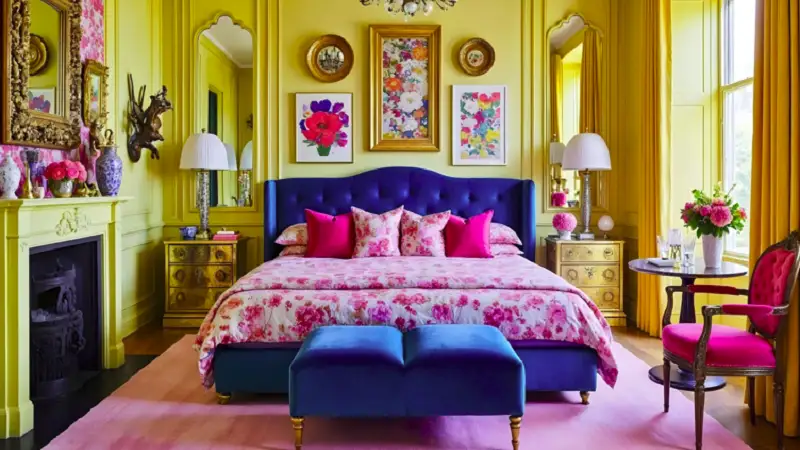
Interior design plays an important role in creating comfortable, attractive, and functional living spaces. A well-designed home is not only beautiful but also supports daily activities, improves organization, and creates a relaxing atmosphere. From choosing the right furniture to selecting suitable colors and lighting, every detail contributes to the overall appearance of a room.
Today, homeowners are paying more attention to how their interiors look and feel. Modern design focuses on simplicity, comfort, practical layouts, and personal style. Whether someone lives in a small apartment or a spacious family house, thoughtful planning can make a significant difference.
Understanding decorilla interior design can help readers explore modern decorating ideas, learn about different interior styles, and discover practical ways to improve their living environments. The goal is to create spaces that reflect individual preferences while remaining functional and comfortable.
What Is Interior Design?
Interior design is the process of planning and improving indoor spaces to make them more useful, comfortable, and visually appealing. It involves several elements, including furniture placement, color selection, lighting, materials, textures, and room organization.
Good interior design considers both appearance and functionality. For example, a living room should provide enough seating for family members while maintaining a clear path for movement. Similarly, a bedroom should feel peaceful and offer practical storage for clothing and personal belongings.
Interior design can be adapted to different budgets, room sizes, and lifestyles. Some people prefer a modern appearance with clean lines, while others enjoy traditional furniture, natural materials, or colorful decorations.
The most successful interiors combine personal taste with practical decisions. Instead of following every trend, homeowners can select elements that suit their daily routines and create a consistent atmosphere throughout the home.
Popular Interior Design Styles
1. Modern Interior Design
Modern interior design emphasizes clean lines, simple shapes, and practical furniture. It often uses neutral colors, open layouts, and carefully selected decorative elements.
Furniture in modern rooms usually has a straightforward appearance without excessive ornamentation. Glass, metal, wood, and stone can be used to introduce different textures and create visual interest.
This style works particularly well for people who prefer organized rooms and uncluttered surroundings. However, adding soft fabrics, artwork, plants, and warm lighting can prevent a modern interior from feeling cold or empty.
2. Minimalist Interior Design
Minimalism focuses on keeping only the items that serve a purpose or provide meaningful visual value. Rather than filling every corner with decorations, minimalist spaces allow furniture and architectural details to stand out.
A minimalist room may include a comfortable sofa, a functional table, a few decorative objects, and plenty of open space. Neutral shades such as white, beige, gray, and soft brown are common choices.
The key to successful minimalism is thoughtful selection. Removing unnecessary objects can improve organization, make cleaning easier, and create a calmer environment.
3. Scandinavian Interior Design
Scandinavian design combines simplicity, natural materials, and comfort. It commonly features light-colored walls, wooden furniture, soft textiles, and practical accessories.
Natural light is especially important in this style. Light curtains, strategically placed mirrors, and pale surfaces can help rooms feel brighter.
Cozy blankets, textured cushions, and indoor plants add warmth without making the space look crowded. Scandinavian interiors are suitable for people who appreciate a clean appearance with a welcoming atmosphere.
4. Traditional Interior Design
Traditional interiors draw inspiration from established decorating styles. They may include detailed wooden furniture, decorative lamps, patterned fabrics, classic artwork, and balanced arrangements.
Rich colors and elegant materials can create a sense of warmth and sophistication. However, traditional design does not require every item to match perfectly.
Combining classic furniture with updated lighting or simpler accessories can create a balanced interior that feels comfortable rather than outdated.
5. Contemporary Interior Design
Contemporary design reflects current preferences and evolving decorating ideas. Unlike modern design, which refers to a particular design movement, contemporary interiors can change as new materials, shapes, and color combinations become popular.
These spaces may feature curved furniture, mixed textures, statement lighting, and a combination of natural and manufactured materials.
The most important principle is balance. A room can include distinctive furniture or bold artwork while maintaining enough simplicity for the overall design to feel organized.
The Importance of Color in Interior Design
Color influences the atmosphere and visual character of a room. Light shades can make a space feel open, while darker colors may create depth and intimacy.
White, cream, beige, and soft gray are popular background colors because they work with many furniture styles. Green and blue can introduce a natural or calming feeling, while terracotta and warm brown can make interiors feel more inviting.
Choosing a color scheme begins with understanding the room’s purpose and lighting conditions. A bedroom may benefit from soft, restful shades, whereas a dining area can accommodate richer colors.
It is also useful to consider how colors interact with flooring, furniture, curtains, and decorative accessories. Testing paint samples under different lighting conditions can prevent unexpected results.
A simple approach is to choose one main color, one supporting color, and a smaller accent color. This creates visual consistency without making the room appear repetitive.
Furniture Selection and Room Layout
Furniture affects both the comfort and functionality of an interior. Before purchasing new pieces, homeowners should measure the available space and consider how people will move around the room.
Large furniture may overwhelm a small room, while furniture that is too small can make a spacious area feel unfinished. Selecting pieces that match the room’s proportions helps maintain balance.
In living rooms, seating should encourage conversation while leaving clear walking paths. In bedrooms, the bed should be positioned to allow convenient access and enough room for storage.
Multifunctional furniture can be especially helpful in smaller homes. Storage beds, nesting tables, extendable dining tables, and compact desks provide flexibility without requiring additional space.
It is also important to consider durability and maintenance. Furniture should suit the household’s needs, especially when children, pets, or frequent visitors are part of everyday life.
Lighting Ideas for a Better Home
Lighting is one of the most important parts of interior design because it affects visibility, comfort, and mood. A well-lit room usually combines natural light with several types of artificial lighting.
Natural Lighting
Natural daylight can make rooms feel brighter and more welcoming. Keeping windows clean, avoiding unnecessarily heavy curtains, and arranging furniture carefully can help sunlight enter the space.
Mirrors can also reflect daylight and make a room appear larger. Their placement should be considered carefully so that they reflect attractive views or useful light rather than unwanted clutter.
Ambient Lighting
Ambient lighting provides general illumination throughout a room. Ceiling fixtures, recessed lights, and suitable overhead lamps are common options.
The brightness should match the room’s purpose. For example, a kitchen needs sufficient light for food preparation, while a bedroom may benefit from softer illumination.
Task Lighting
Task lighting helps people perform specific activities. Desk lamps, reading lights, and under-cabinet kitchen lights are useful examples.
Positioning task lighting correctly can reduce shadows and make everyday activities easier.
Accent Lighting
Accent lighting highlights particular features, such as artwork, shelves, architectural details, or decorative objects. When used thoughtfully, it adds depth and visual interest without overwhelming the room.
Combining these lighting types makes a home more adaptable to different activities and times of day.
Decorating Small Spaces Effectively
Small rooms require careful planning, but limited space does not mean sacrificing style. The right furniture, colors, and storage solutions can make compact interiors more practical and attractive.
First, avoid overcrowding the room. Select furniture that fits comfortably and leave enough open floor space for movement. Pieces with exposed legs can create a lighter visual appearance.
Second, use vertical space. Wall-mounted shelves, tall storage units, and hooks can keep everyday items organized without occupying too much floor area.
Third, maintain a consistent color palette. Lighter shades often make a small room feel more open, although darker accents can add personality when used selectively.
Mirrors, transparent furniture, and layered lighting can also improve the visual experience of a compact space.
Finally, make storage part of the design from the beginning. Closed cabinets, baskets, and multifunctional furniture help reduce visible clutter and maintain a tidy environment.
Sustainable and Eco-Friendly Interior Design
Sustainable interior design focuses on reducing unnecessary waste and making responsible choices about materials, furniture, and energy use.
One practical approach is to keep and improve existing furniture rather than replacing everything. Repainting a cabinet, repairing a table, or changing upholstery can refresh a room at a lower cost.
Choosing durable materials can also reduce the need for frequent replacements. Solid wood from responsibly managed sources, recycled materials, and well-made secondhand furniture may offer useful alternatives, depending on availability and budget.
Energy-efficient lighting helps reduce electricity consumption. Curtains and blinds can support temperature management by controlling sunlight and heat entering through windows.
Indoor plants can add natural color and texture, although they should be selected according to available light and maintenance requirements.
Sustainable decorating does not require an expensive renovation. Small, thoughtful decisions can gradually make a home more efficient and environmentally conscious.
Common Interior Design Mistakes to Avoid
Even attractive decorating ideas can produce disappointing results when planning is overlooked. Avoiding a few common mistakes can improve the final outcome.
Ignoring measurements: Buying furniture before measuring the room can lead to cramped layouts and blocked walkways.
Using too many colors: A large number of unrelated colors can make a room feel visually confusing. A coordinated palette usually creates a more consistent appearance.
Relying on one light source: A single ceiling light may leave dark corners and create an unbalanced atmosphere. Combining ambient, task, and accent lighting provides greater flexibility.
Following trends without considering comfort: Popular furniture and decorations may not suit every household. Practical needs should remain a priority.
Adding too many accessories: Excessive decorative objects can make a room feel crowded. Selecting a few meaningful pieces often creates a stronger result.
Forgetting storage: Even a beautifully decorated room can become difficult to use without suitable places for everyday belongings.
Avoiding these mistakes helps create interiors that remain attractive and useful over time.
How to Plan an Interior Design Project
A successful interior project begins with a clear plan. Start by identifying the main problem you want to solve. This could involve improving storage, updating an outdated color scheme, creating a more comfortable living room, or making a small bedroom feel larger.
Next, establish a realistic budget. Include furniture, paint, lighting, materials, delivery, and a small allowance for unexpected expenses.
Measure the room and create a basic layout before buying anything. Consider doors, windows, electrical outlets, and existing architectural features.
Collect inspiration from different styles, but focus on ideas that work together. A mood board containing colors, materials, furniture examples, and lighting references can help clarify the overall direction.
The principles of decorilla interior design can be applied by combining personal preferences with careful planning, functional layouts, and coordinated decorative choices.
After establishing the plan, prioritize essential improvements. Furniture arrangement, lighting, and storage often make a greater practical difference than purchasing numerous decorative accessories.
Finally, review the room after completing each stage. Small adjustments to furniture placement, lighting, or accessories can improve the overall balance without increasing the budget significantly.
Interior Design Trends and Personal Style
Interior design trends can provide inspiration, but they should not determine every decision. Some homeowners prefer natural textures and earthy colors, while others enjoy expressive artwork, colorful furniture, or elegant metallic details.
Natural materials, curved furniture, layered lighting, and personalized spaces have remained influential in many contemporary interiors. However, trends vary by location, budget, and individual preference.
A lasting design usually combines a simple foundation with personal details. Neutral walls and versatile furniture can provide flexibility, while artwork, cushions, rugs, and accessories introduce character.
Personal collections, handmade decorations, family photographs, and meaningful objects can make a space feel distinctive. The important consideration is how these elements work together.
A well-designed home should reflect the people who live in it rather than look exactly like a showroom. Comfort, usability, and personal expression are more valuable than following every new trend.
Conclusion
Interior design is about creating indoor spaces that combine beauty, comfort, and everyday functionality. By understanding color coordination, furniture placement, lighting, storage, and sustainable choices, homeowners can make meaningful improvements without necessarily undertaking expensive renovations.
The best approach begins with a clear understanding of personal needs and available space. Simple changes, such as improving lighting, reorganizing furniture, choosing complementary colors, or reducing clutter, can significantly improve the appearance and usability of a room.
Exploring decorilla interior design provides a starting point for understanding these principles and applying them to different types of living spaces. With thoughtful planning, consistent design choices, and attention to practical details, any home can become more organized, welcoming, and visually appealing.
Ultimately, successful interior design does not depend on the size of a home or the amount of money spent. It depends on making informed decisions that support everyday life while expressing individual taste and creating a comfortable place to live. See More