
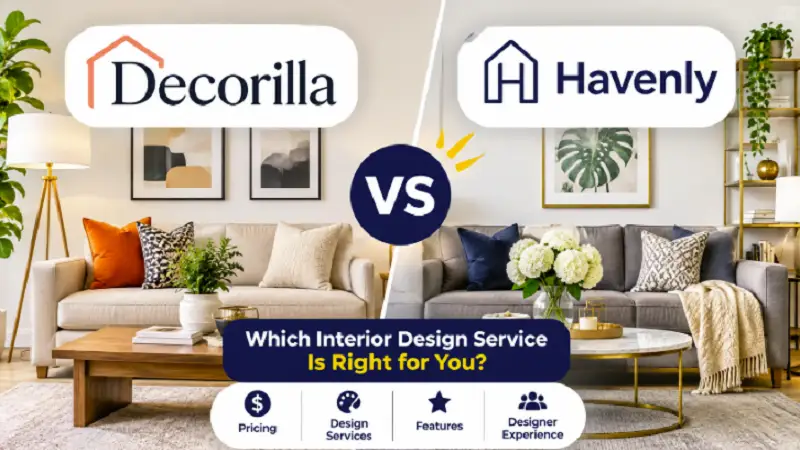
Designing a beautiful and comfortable home requires more than selecting attractive furniture or choosing matching colors. It involves understanding how different elements work together, organizing available space, selecting suitable materials, and creating an environment that reflects personal preferences. However, hiring a traditional interior designer can be expensive and time-consuming, which is why online interior design services have become an alternative for homeowners.
Two names that often come up in discussions about virtual interior design are Decorilla and Havenly. Both provide access to professional design assistance, personalized recommendations, and visual concepts that help people plan their interiors without managing every design decision themselves.
When researching decorilla vs havenly, it is important to understand that these services have different approaches to pricing, designer collaboration, project management, and design deliverables. One may be more suitable for someone seeking multiple professional design concepts, while another may appeal to people looking for a straightforward online design experience.
This article examines their main differences, including pricing structures, design processes, available features, flexibility, and the factors customers should consider before making a decision.
Understanding the Two Interior Design Approaches
Before comparing individual features, it helps to understand how each service approaches residential interior design.
What Is Decorilla?
Decorilla is an online interior design service that connects customers with professional designers to develop personalized spaces. Its process focuses on providing multiple initial design concepts, allowing customers to explore different creative directions before selecting a preferred approach.
Customers generally begin by describing their project, sharing room photographs, providing measurements, and explaining their design preferences. Designers use this information to develop concepts that reflect the customer’s requirements.
Some of its main offerings include:
- Initial concepts from multiple interior designers.
- Personalized room layouts and color selections.
- Realistic three-dimensional room visualizations.
- Customized furniture and decoration recommendations.
- Floor plans and implementation guidance.
- Design revisions based on customer feedback.
The service also provides different experience levels through its design packages. This allows customers to consider different professional backgrounds when planning their projects.
What Is Havenly?
Havenly is an online interior design service that helps customers create personalized rooms through collaboration with professional designers. Its approach focuses on understanding individual preferences and translating them into practical design recommendations.
The process generally starts with a style questionnaire. Customers share information about their rooms, budgets, preferred aesthetics, and existing furniture. They can then work with a designer to develop a suitable interior concept.
Depending on the selected package, the experience may include:
- Personalized designer assistance.
- Design concepts and recommendations.
- Furniture and decoration shopping lists.
- Room layouts and floor plans.
- Three-dimensional visualizations.
- Opportunities to provide feedback and request revisions.
Havenly also offers an in-person design option in eligible locations, providing an additional level of assistance for customers who prefer working with a designer at home.
Pricing and Package Differences
Pricing is one of the most important considerations when comparing online interior design services. The total investment includes more than the initial design fee because furniture, lighting, accessories, and other recommended products may require separate purchases.
Decorilla Pricing Structure
Decorilla uses a tiered pricing structure based on the type of room and the experience level of the designers involved.
Its main packages include:
- Bronze: Designed for customers looking for professional assistance from experienced designers.
- Silver: Provides access to designers with a higher level of professional experience.
- Gold: Intended for customers seeking concepts from highly experienced interior design professionals.
- Platinum: Provides more comprehensive assistance for projects requiring additional coordination and implementation support.
Published package prices can vary according to the selected room and current promotions. The pricing page has displayed Bronze, Silver, and Gold starting figures of $599, $859, and $1,099, respectively, although the final price depends on project details.
Customers should also understand that the design fee does not automatically cover furniture and decoration purchases.
Havenly Pricing Structure
Havenly offers a different pricing approach, with online and in-person design options.
Its published online Full package has been listed at $159 per room, while the in-person option has been listed from $499 for the first room. Additional rooms may have separate fees.
The online package is designed to provide professional design guidance without requiring customers to arrange a traditional in-home consultation.
The overall cost may include:
- The selected design package.
- Furniture and decorative products.
- Lighting and accessories.
- Delivery and shipping charges.
- Optional additional services.
As pricing and promotional offers can change, customers should confirm the current package cost before beginning a project.
Design Process and Customer Experience
A good design experience depends on clear communication, useful recommendations, and a process that allows customers to express their preferences.
How Decorilla’s Design Process Works
The process generally involves several stages:
1. Project Information
Customers provide details about the room, including its dimensions, photographs, existing furniture, and desired appearance.
2. Initial Design Concepts
Multiple designers prepare concepts based on the submitted information. This gives customers an opportunity to explore different ideas.
3. Designer Selection
Customers review the proposals and select the design direction they prefer. Feedback can also help refine the chosen concept.
4. Design Development
The selected designer develops the concept further, incorporating suitable furniture, colors, materials, and decorative elements.
5. Final Presentation
The completed design may include realistic 3D visualizations, a floor plan, a shopping list, and implementation guidance.
This process can be useful for people who want to compare creative approaches before deciding how their rooms should look.
How Havenly’s Design Process Works
Havenly follows a collaborative process that generally begins with a style questionnaire and project information.
Its process commonly includes:
1. Style Discovery
Customers answer questions about their preferred interior styles, color combinations, furniture preferences, and budget.
2. Room Information
Photographs and measurements help the designer understand the available space and its practical limitations.
3. Designer Collaboration
Customers communicate with their selected designer to discuss requirements and review design ideas.
4. Design Presentation
The designer develops a personalized concept, which may include furniture recommendations, room layouts, and visual representations.
5. Feedback and Shopping
Customers can review the recommendations, request changes, and use the shopping list to purchase suitable products.
This approach emphasizes communication between the customer and designer throughout the creative process.
Design Features and Available Deliverables
Design deliverables are important because they determine how easily customers can turn an idea into a completed room.
Three-Dimensional Room Visualizations
Three-dimensional renderings allow customers to see how furniture, colors, lighting, and decorative elements may appear together.
Both services offer visual design tools as part of their respective packages. These presentations can make planning easier, particularly for customers who find traditional floor plans difficult to understand.
However, a digital rendering should be treated as a planning representation rather than a guarantee that the finished room will look exactly the same. Actual results depend on product availability, measurements, materials, and installation.
Furniture and Decoration Recommendations
Furniture recommendations help customers select items that complement the overall design.
Important considerations include:
- Furniture dimensions and room proportions.
- Color coordination and material selection.
- Available storage space.
- Lighting requirements.
- Comfort and everyday functionality.
- Product prices and availability.
A useful shopping list should support the customer’s budget while maintaining a consistent design direction.
Floor Plans and Space Planning
A floor plan provides a practical overview of how furniture and other elements should be arranged.
Good space planning considers walking paths, door openings, windows, natural light, and the relationship between different furniture pieces.
Both services provide layout-related deliverables, although the exact features and level of detail depend on the selected package.
Designer Experience and Personalization
Professional experience can influence the quality and practicality of an interior design project.
Decorilla distinguishes its packages through designer experience levels and offers initial concepts from multiple designers. This creates an opportunity to compare different creative interpretations of the same room.
Havenly emphasizes individual collaboration with a designer who understands the customer’s preferences, lifestyle, and available budget.
Personalization also depends on the quality of information customers provide. Clear photographs, accurate measurements, examples of preferred styles, and realistic spending limits can help designers create more relevant recommendations.
Neither approach removes the importance of customer participation. Providing feedback and explaining what does not work can make the final design more practical.
Which Service Is Better for Different Projects?
The right option depends on the size of the project, the level of assistance required, and the customer’s expectations.
Small Room Refreshes
Someone updating a bedroom, home office, or living room may primarily need help with furniture selection, color coordination, and decoration.
A straightforward online design package may provide sufficient guidance for these projects.
Complete Room Makeovers
A complete room makeover involves more decisions, including furniture placement, lighting, storage, materials, and decorative details.
Customers may benefit from comparing multiple initial concepts before committing to one design direction.
Multi-Room Projects
Designing several rooms requires consistency throughout the property. Colors, materials, furniture styles, and lighting should complement one another.
Customers should check how additional rooms are priced and whether the chosen package supports a coordinated design approach.
Projects Requiring In-Person Assistance
Some projects involve practical challenges that are easier to understand through an in-home visit.
For example, unusual room dimensions, existing architectural features, or complicated furniture arrangements may require direct measurements and closer coordination.
In such situations, the availability of in-person assistance can become an important consideration.
decorilla vs havenly: Important Factors to Consider Before Choosing
Making a suitable choice requires looking beyond advertised package prices. Customers should evaluate the complete experience and understand what they will receive.
Consider these factors before purchasing an interior design package:
1. Total Project Budget
Calculate the design fee and estimated furniture expenses together. A lower design fee does not necessarily mean a lower overall project cost.
2. Design Preferences
Review sample projects and designer portfolios to understand whether the creative styles match your expectations.
3. Communication Options
Check how designers communicate, how feedback is submitted, and whether video calls or direct conversations are available.
4. Revision Policies
Understand how many changes are included and whether additional revisions involve extra charges.
5. Product Availability
Confirm whether recommended furniture and accessories are available in your location. International customers should pay particular attention to shipping and delivery limitations.
6. Project Timeline
Ask how long initial concepts, revisions, and final design documents are expected to take.
7. Implementation Support
Determine whether the service only provides a design plan or also helps with ordering, delivery, installation, and project coordination.
Considering these details can help prevent misunderstandings and make the design experience more manageable.
Conclusion
Online interior design services provide a convenient way to explore professional design ideas, improve room layouts, and select furniture without following the traditional design process. However, different services offer different levels of personalization, collaboration, and project support.
The main difference in this comparison is the design approach. Decorilla emphasizes multiple initial concepts, designer experience levels, and detailed design presentations. Havenly focuses on personalized collaboration, accessible online design packages, and an additional in-person option in eligible locations.
Ultimately, decorilla vs havenly is not simply a question of which service has the lower advertised price. The better choice depends on the project’s complexity, desired designer involvement, available budget, and expected deliverables.
Customers should review current packages, understand what each fee includes, and consider furniture and implementation expenses before making a final decision. A well-planned interior project begins with clear expectations and a design process that supports both personal style and everyday functionality. See More